







Search Results for: Lovebao E61
Unboxing and Hands-On Experience with the Expobar E61 Dual Boiler Espresso Machine and MAZZER MINI Grinder
This article will take you through a complete review of the unboxing process and initial impressions of a professional-grade espresso setup. The main character is the Expobar E61 Office Leva dual-boiler rotary pump espresso machine, paired with a MAZZER MINI manual grinder, weighing nearly a hundred jin in total, and it took the delivery person's help to get it indoors. After saying goodbye to the Tsann Kuen 1817 and Huijia ZD-15 combo that had accompanied him for over a year, the author Lao Dong adjusted the grind setting, ran extraction tests, and tried steaming milk on the new equipment, and shared the performance of First Kiss espresso beans. The article retains Front Street brand recommendations and related product information, making it suitable for coffee enthusiasts to reference. [more…]
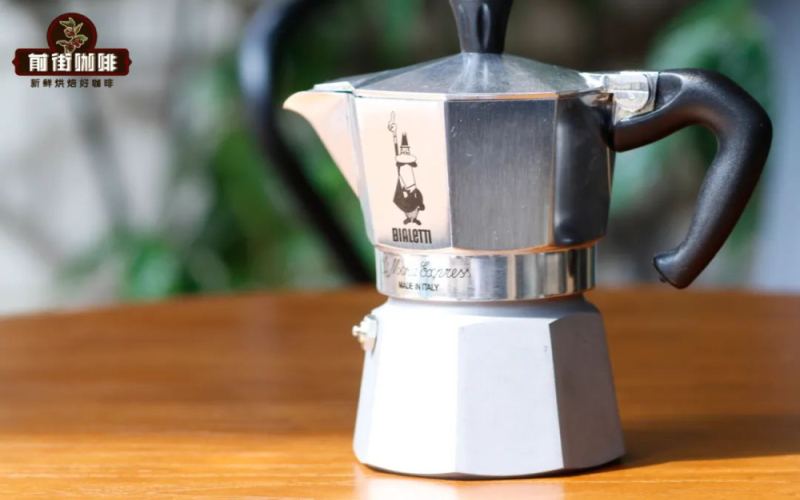
How to Choose Between a Moka Pot and a Semi-Automatic Espresso Machine? A Clear Explanation from Working Principles to Buying Considerations
Moka pot and semi-automatic espresso machine: one is a classic device passed down in Italian households for nearly a century, the other is core equipment that has moved from commercial use to specialty coffee shops. Both can make espresso, but they differ greatly in pressure, crema performance, usage scenarios, and budget threshold. This article will start with the invention and structural principles of the moka pot, sort out the key evolution of espresso machines from the 1885 prototype to the E61 brewing system, then compare the suitable users for each device, and provide Front Street Coffee's medium-dark roasted espresso bean recommendations. If you are struggling over which type of equipment to buy, or want to know what coffee beans pair with pressure-assisted extraction, this content can help you clarify your thoughts. [more…]
Moka Pot vs. Semi-Automatic Espresso Machine: How to Choose? From Working Principles to Buying Advice, Explained Clearly in One Go
The moka pot and the semi-automatic espresso machine are both pressure-based extraction devices, yet they represent two different directions: household convenience and commercial professionalism. The moka pot was born in 1933, designed by Alfonso Bialetti, founder of Bialetti, and became a staple of Italian households thanks to its compact size and affordable price; the semi-automatic espresso machine evolved from the steam pressure device of 1885 all the way to the epoch-making FAEMA E61 in 1961, laying the design foundation for modern espresso machines. The two differ markedly in pressure, crema performance, and usage scenarios. Starting from their historical development, working principles, and practical needs, this article will analyze the pros and cons of each, and combine them with Front Street Coffee's bean recommendations to help coffee lovers find the one that suits them. [more…]
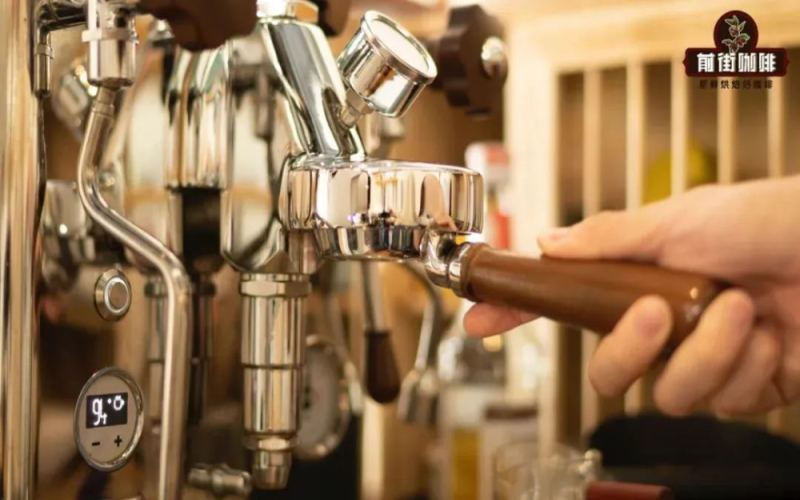
The Invention Journey of the Espresso Machine and a Home Brewing Guide: From Historical Origins to Front Street Coffee Bean Recommendations
Every coffee shop's espresso machines, with their varied designs, actually hide a centuries-spanning story of invention. From Angelo Moriondo's concept of a steam coffee machine in 1884, to La Pavoni building the world's first true espresso machine in 1905, and then to the Faema E61 laying the foundation for modern semi-automatic machines in 1961, the evolution of espresso machines has never stopped. Today, small home machines allow enthusiasts to easily produce rich coffee. Front Street, addressing the need for stable extraction and abundant crema, has respectively recommended SOE single-origin and espresso blend bean lists, and shared in detail a complete plan from dose and extraction ratio to operating specifics, helping readers replicate at home an Espresso with golden crema. [more…]
From Drip to Semi-Automatic: A Beginner's Guide to Coffee Machine Selection and Analysis of Home Model Recommendations
Faced with a dazzling array of coffee machines, many enthusiasts don't know where to start. This article systematically sorts out the classification logic of coffee machines—by extraction method, they fall into three major categories: traditional drip, Italian-style high-pressure pump, and capsule; by operation mode, they are further divided into fully automatic and semi-automatic. The article analyzes the structural characteristics, output quality, and suitable users of each type of machine one by one, and focuses on home semi-automatic coffee machines, offering purchasing recommendations ranging from 300-yuan toy machines to 50,000-yuan ultimate enthusiast dream machines, covering popular models such as Cancun, Matrix, Huijia, NOUVA OSCAR, Expobar E61, LASPAZIALE S1, and Lamarzocco GS3 MP. Finally, it adds practical knowledge such as coffee bean preservation and bean resting periods, helping readers find a balance between budget and quality. [more…]
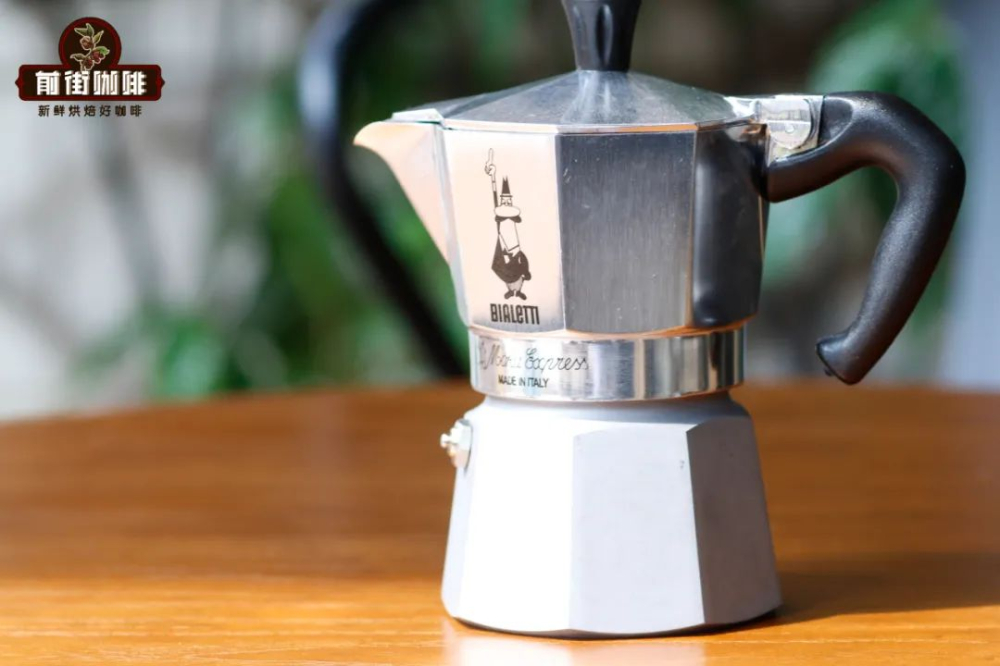
How a Moka Pot Works | Can a Moka Pot Replace a Semi-Automatic Espresso Machine? Is There a Big Difference in Flavor and Mouthfeel Between Moka Pot Coffee and Espresso?
The moka pot is a coffee brewing device with a very long history and is a national treasure-level coffee apparatus of Italy. As everyone knows, Italy is a country of art and romance, and it is also a country that loves drinking coffee. The moka pot is just such a cultural symbol that cannot be ignored, and it is held in high regard all over the world. [more…]
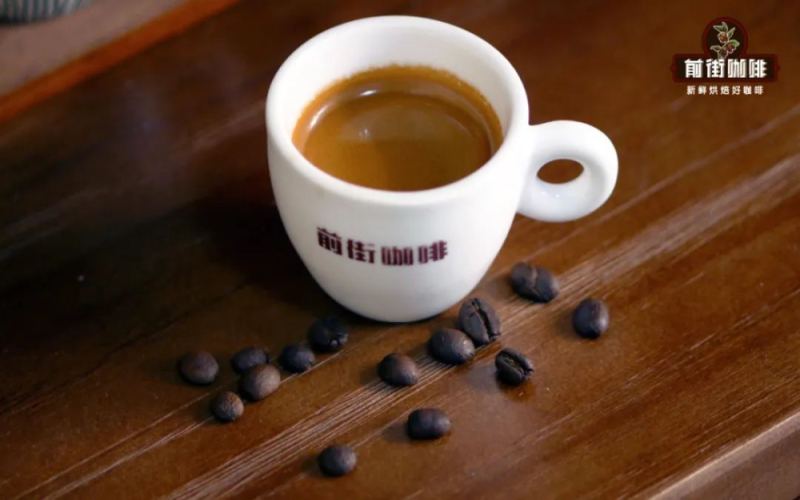
A Complete Guide to Espresso Extraction: From Milliliter Standards to Nine Key Variables
Espresso tastes bitter? The problem likely lies in the extraction process. Front Street Coffee begins with the century-long evolution of espresso machines, sorts out the operating parameters of modern Italian coffee machines, and uses the Lelite V3 as an example to fully demonstrate the production process of an espresso. From dose and distribution to water pressure, water temperature, grind size, extraction yield, and crema condition, nine key variables are broken down one by one to help you understand the technical logic behind a qualified espresso and find the adjustment direction that suits your own flavor preferences. [more…]
Illustrated Guide to Espresso Making | What Is the Working Principle of an Espresso Machine? What Factors Affect the Taste and Mouthfeel of Espresso?
For more specialty coffee knowledge, please follow: Front Street Coffee (Frontsteet Coffee). Espresso is mostly perceived as bitter and astringent; when this happens, it is very likely that there is a problem in the production process. At this point, someone will ask Front Street Coffee (FrontS [more…]
What Exactly Is Americano? A Comprehensive Interpretation from Espresso History to Extraction Parameters
In Hong Kong dramas, the term "zhaife" (plain coffee) is often heard, which is actually black coffee without sugar or milk. But black coffee is not just one form; by preparation method, it can be divided into two major categories: pour-over coffee and Americano made with an espresso machine. The name "Americano" hides the story of American soldiers on the European battlefield during World War II, and its core production—espresso liquid—involves many variables such as pressure, grind size, dose, brew ratio, and crema. This article, from the perspective of a Front Street Coffee barista, will review the evolution of espresso machines, explain the correct method and key extraction points for Americano, and compare the flavor differences between espresso and Americano, helping coffee enthusiasts gain a more comprehensive understanding of this seemingly simple beverage. [more…]
The Standard Espresso Extraction Guide: From the First-Generation Machines to the Full Breakdown of 9-Bar Parameters and Brew Ratio
Espresso may appear simple, yet it conceals numerous variables and a great deal of knowledge. From the perspective of Front Street Coffee, this article reviews the evolution of the espresso machine from its first-generation model in 1901 to modern semi-automatic equipment, and provides a detailed breakdown of nine major influencing factors: water pressure, boiler pressure, water temperature, tamping force, grind size, dose, extraction time, extraction yield, and crema. At the same time, using a classic Italian blend as an example, it gives specific operating steps and parameter standards for extracting 40 ml of espresso from 20 g of grounds, helping coffee enthusiasts understand how to consistently make a cup of Espresso with thick crema and balanced flavor. [more…]
What does black coffee refer to? How many calories does it have? What happens if you drink too much iced Americano black coffee?
In Hong Kong dramas, the term "斋啡" (plain coffee) is often heard, which actually refers to black coffee without sugar or milk. However, black coffee is not just one thing; based on its preparation method, it can be divided into two major camps: pour-over coffee and espresso-based Americano coffee. This article starts with the evolution of espresso machines, traces the origin of the name Americano and the correct way to enjoy it, and breaks down in detail the various variables that affect espresso extraction—pressure, grind size, dose, brew ratio, and crema. Front Street Coffee will also share the specific process and parameters for making espresso in-store, and answer the differences in flavor between espresso and Americano, helping you gain a more comprehensive understanding of plain coffee. [more…]
Is the English name for Americano actually Americano or drip coffee? Exploring why there is no Americano in the United States itself.
The "plain coffee" often heard in Hong Kong dramas is actually what we call black coffee. But black coffee is not simply coffee without sugar or milk; according to the brewing method, it can be divided into two major categories: drip pour-over coffee and Americano made with an espresso machine. The former represents the third wave of coffee, while the latter originates from the second wave. What is the connection between the name Americano and the United States? What is the correct way to drink it? From the perspective of a Front Street Coffee barista, this article traces the development history of espresso machines, provides a detailed analysis of the origin of the name Americano, its key preparation points and extraction parameters, and compares the flavor differences between espresso and Americano, helping you gain a more comprehensive understanding of this seemingly simple cup of coffee. [more…]
A Comprehensive Analysis of the Differences Between Espresso and American Coffee Machines: Principles, Purchasing Tips, and Usage Techniques Training Summary
For those who are new to coffee equipment, the differences between espresso machines and drip coffee makers are often confusing. This article systematically breaks down the characteristics of the two types of machines, from how they work, extraction methods, and price ranges to buying advice, and offers reference opinions for both home and professional scenarios. At the same time, the article also compiles common troubleshooting for espresso machines, the steps for making milk foam, and key details in choosing a drip coffee maker such as materials, water outlet holes, and temperature control, helping coffee lovers make more suitable judgments when buying and using them. Content involving Front Street brand recommendations mentioned in the article will also be retained for readers' reference. [more…]
The History of Espresso Machine Development | Who Invented the Coffee Machine? What Is the Working Principle of an Espresso Machine? What Are the World's Famous Semi-Automatic Espresso Machine Brands?
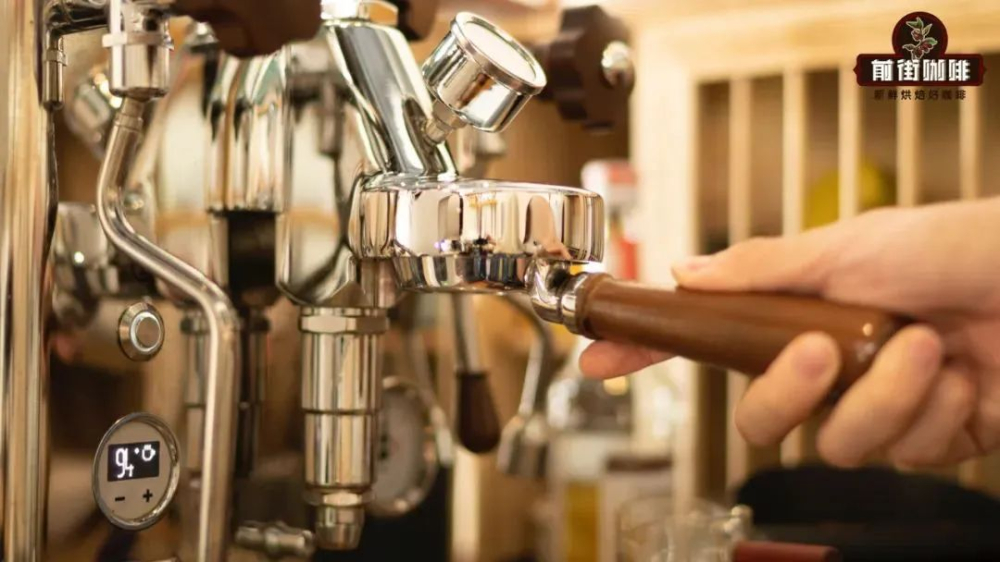
I believe that what catches your eye in every coffee shop, besides the unique decor, is also the wide variety of espresso machines, which showcase each coffee shop's distinctive character! Although the machines come in all shapes and sizes, their operation is very consistent—just a few simple steps are enough to bring us a cup rich in crema. [more…]
Espresso Tasting Guide: From Historical Evolution to Extraction Parameters, Teaching You the Correct Way to Drink
Many people, when first confronted with "espresso" on a café menu, feel both curious and hesitant—how exactly should this small serving of coffee be drunk? Should you knock it back in one gulp or savor it slowly? In fact, tasting espresso (Espresso) follows a set of refined methods. Starting from the daily offerings at Front Street Coffee (FrontStreet Coffee), this article guides you through the evolutionary history of the espresso machine, the principles of extraction, the correct way to drink it, and key production parameters such as dose, grind size, and pressure. Whether you want to understand "is espresso just Italian-style concentrated coffee," or want to learn to taste this concentrated essence like a barista, this article will give you clear answers. [more…]
An Analysis of Espresso Flavor Characteristics and Extraction Principles, with Front Street Coffee's Preparation Process Steps
Espresso is the base of many coffee drinks and a litmus test for a barista's skill. Starting from the daily output at FrontStreet Coffee, this article systematically reviews the historical evolution, extraction principles, and tasting methods of espresso, and breaks down in detail how key parameters such as dose, yield, grind size, and pressure affect flavor. It also shares the complete preparation scheme used at Front Street stores with the Feima E98 espresso machine paired with the Sunflower Warm Sun blend beans, helping coffee enthusiasts understand how to extract a qualified Espresso with rich crema and a full-bodied taste. [more…]
Espresso Tasting Guide: A Systematic Analysis from Historical Evolution to Proper Drinking Methods
Espresso is a favorite of many coffee lovers, but do you really understand it? From the birth of the first espresso machine in 1884 to today's rich crema produced under 9 bars of pressure, espresso has traveled a long path of evolution. This article will systematically explain the basic knowledge of espresso, from its history, principles, and drinking methods to brewing parameters. The baristas at Front Street Coffee will also share a key detail: why is a glass of ice water served alongside an espresso? How exactly should this glass of ice water be used? If you have ever wondered whether espresso can be drunk directly, this article will give you a clear answer. [more…]
Are Espresso and Espresso the Same Thing? Analyzing the Golden Cup Extraction Standard and Parameter Adjustment
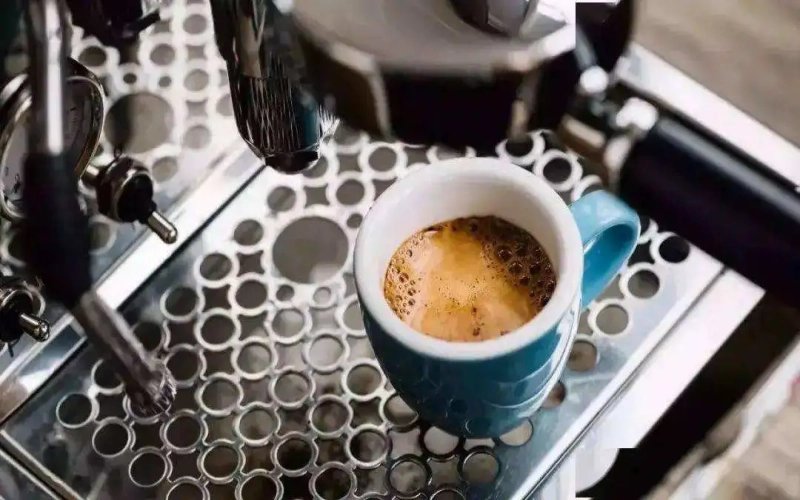
Many coffee enthusiasts often confuse the concepts of espresso and concentrated coffee, and are also full of questions about extraction parameters. Starting from the Golden Cup extraction standard, this article will sort out the evolution of the definition of espresso and analyze the effects of factors such as dose, water temperature, time, pressure, and grind size on flavor. At the same time, drawing on the hands-on experience of Front Street Coffee, it will introduce the unique vinous aroma performance of the Sunflower Warm Sun blend and share the proper way to taste espresso, helping readers understand the extraction logic of espresso more systematically. [more…]
The Road to UNESCO Heritage Status for Espresso and the Century-Long Evolution of the Espresso Machine
A small cup of espresso carries Italy's profound cultural heritage and the marks of change from the industrial age. From the birth of steam-powered coffee machines at the end of the 19th century, to the iterative upgrades of spring piston and semi-automatic espresso machines in the 20th century, and then to today's globally popular café culture, espresso has gone through more than a century of development. At the same time, Italy has been working since 2016 to seek intangible cultural heritage status for espresso, and it has now finally entered UNESCO's formal review process. This article will take you through the history of the development of the espresso machine and bring you the latest progress on its heritage application. [more…]
Why can latte coffee layer? From density principles to production details, analyzing the science of a beautifully layered latte.
Latte is the starting point for many people's journey into freshly ground coffee, but do you know why a latte can present such a beautiful layering? This article begins with the historical origins of the latte and, combined with Front Street Coffee's production experience, analyzes how the density difference between espresso and milk creates the layered effect. We will also take an in-depth look at the flavor characteristics, extraction parameters, and milk frothing techniques of Front Street Sunflower Warm Sun blend beans, and compare the layering principle and drinking method of Dirty coffee. Whether you want to understand the science of lattes or want to recreate a cup of layered milk coffee at home, this article can provide you with practical reference. [more…]